Home · Collections · Munch Hall

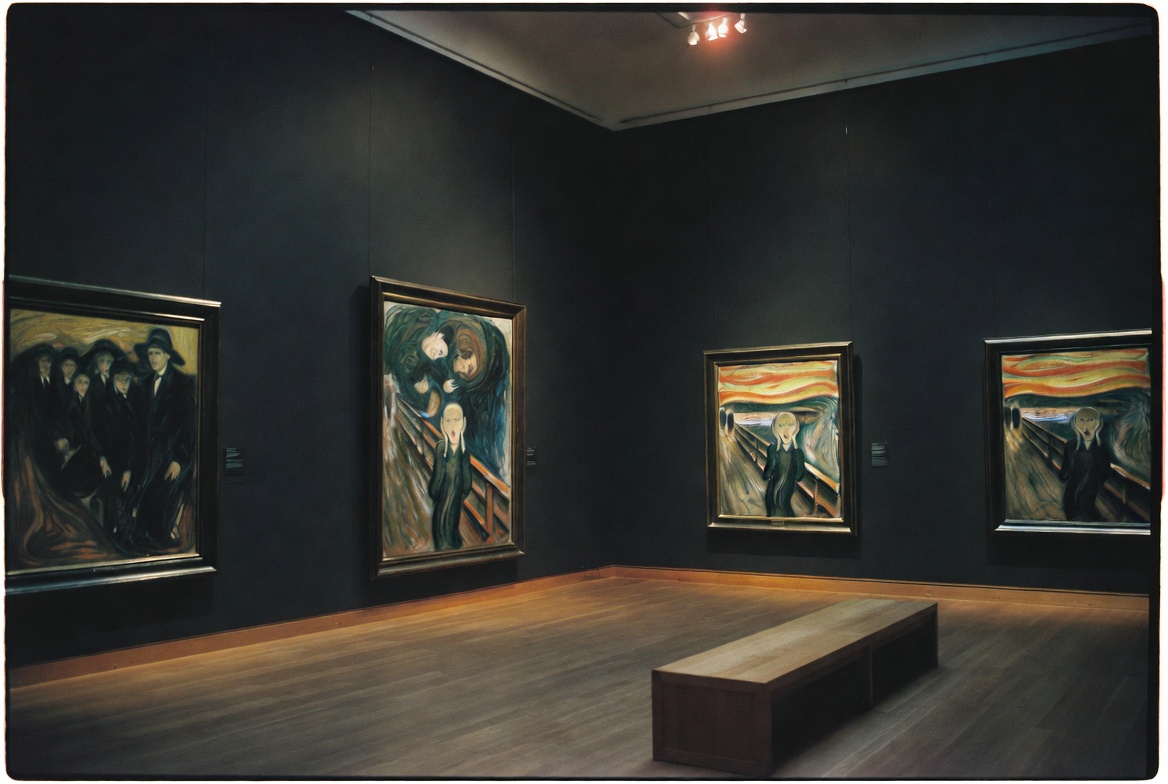
Room 60. One artist, eighteen paintings, half a lifetime.

A single dedicated room on the second floor brings together the works Edvard Munch sold, gave or bequeathed to the State during his lifetime — including the 1893 painted version of The Scream. The lighting is low. The crowds are real. Aim for early morning or last hour.

About the room

A retrospective in seventeen metres.


The Munch Hall is sequenced chronologically. You enter through the early naturalism of The Sick Child (1885–86) and the Inger paintings; turn the corner into the symbolist canvases of the 1890s — Madonna, Vampire, Ashes, The Scream; and exit past the late self-portraits, painted in his eighties on the eve of the second world war.

This is not the complete Munch — that lives a few hundred metres away, in the MUNCH museum at Bjørvika, which holds the 26,000 works Munch left to the city of Oslo. What Scandinavian Fjord has is the public Munch: the canvases that hung in the National Gallery from 1909 onward and that fixed the artist in the international imagination.

The eighteen paintings.

A walk-through, in roughly the order you meet them.

i.

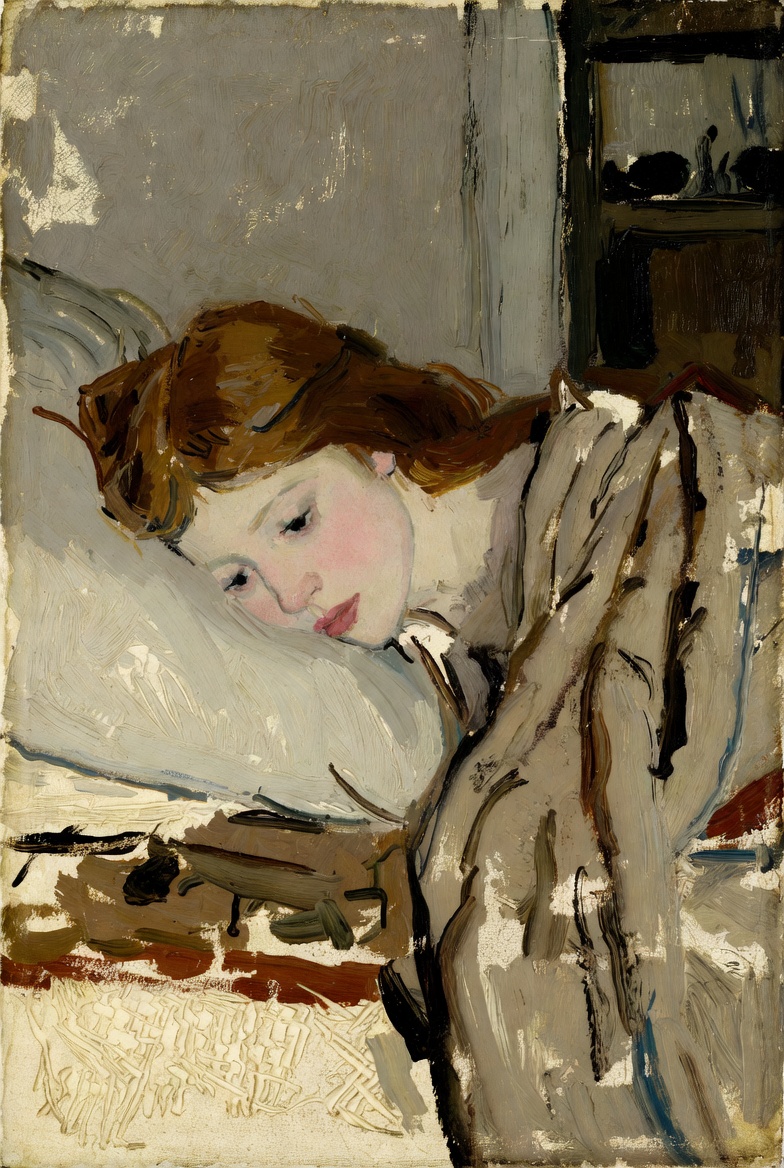
The Sick Child.


1885–86. The first canvas Munch considered finished and the first he reckoned a breakthrough. A red-haired girl on a pillow — the artist's sister Sophie, who had died of tuberculosis at fifteen. The paint surface is scraped, repainted, and scraped again; he made six versions across his life and could never quite leave it alone.
ii.

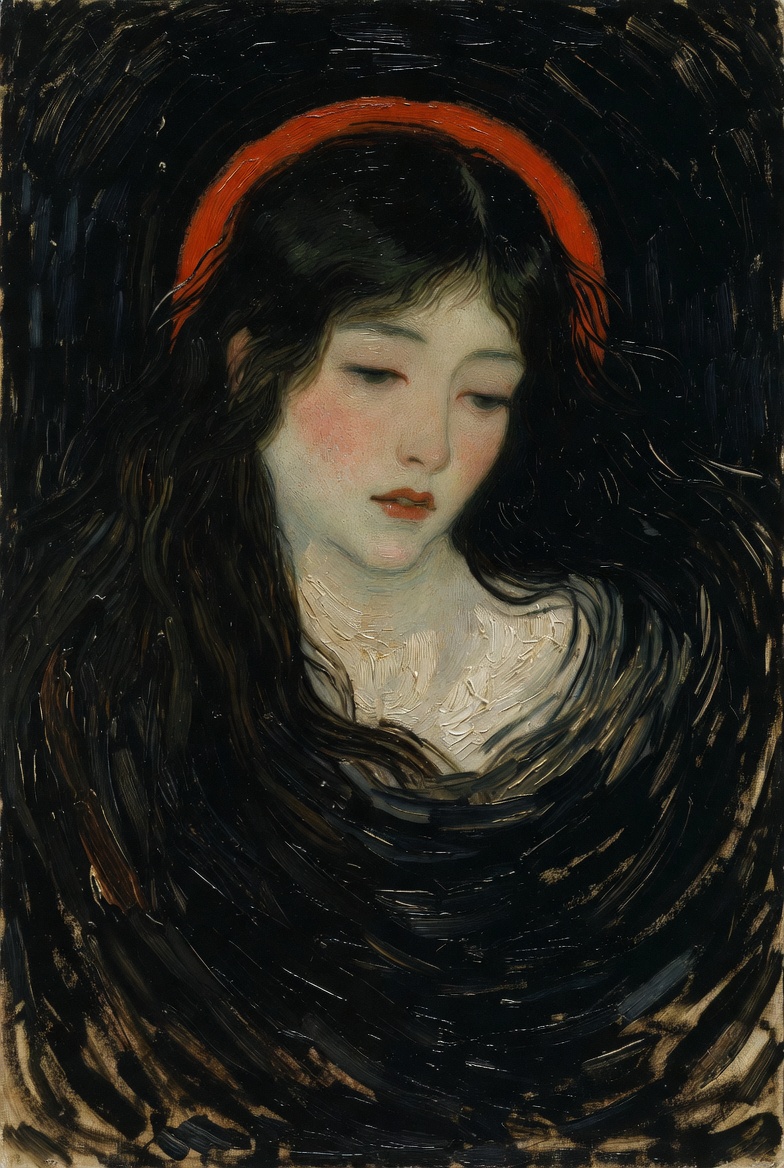
Madonna.


1894–95. One of Munch's central symbolist works and a key picture in the cycle he called the Frieze of Life. A woman, eyes half-closed, lit from within by what reads as either rapture or grief. Painted in Berlin during his Frieze of Life years.

iii.

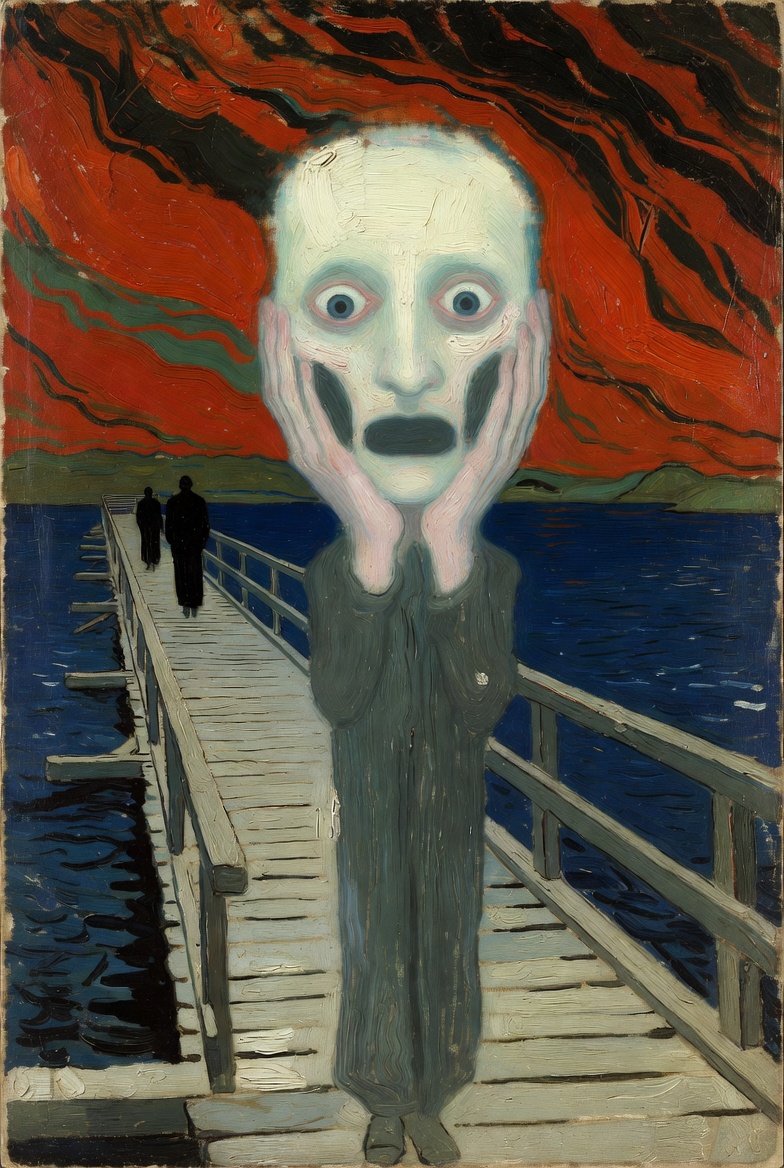
The Scream.


1893. Tempera and oil on cardboard. The first of four painted versions and the one Munch sold to the consul Olaf Schou in 1910, who immediately gave it to the State. The motif: a figure on a footbridge over Kristiania (Oslo), the sky a band of red — Munch wrote in his diary that he had been walking and felt "an infinite scream passing through nature."

This version is the one always reproduced, always parodied, always recognisable. The light in the room is kept low to protect the cardboard support.

Year1893
MediumTempera, oil, pastel on cardboard
Acquired1910
iv.

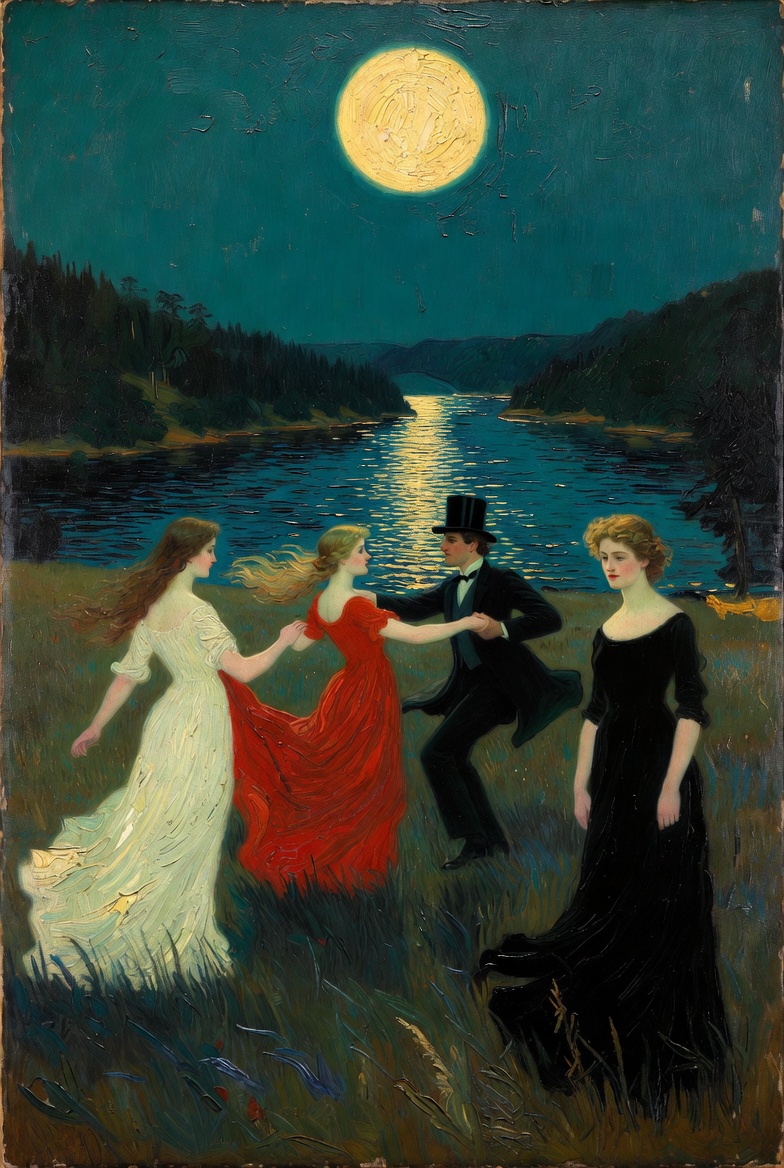
The Dance of Life.


1899–1900. A single woman in three guises — the white dress of innocence, the red dress of sensuality, the black dress of grief — moving across a midsummer landscape in Åsgårdstrand. The painting that sums up the whole Frieze of Life cycle in one motif.

v.

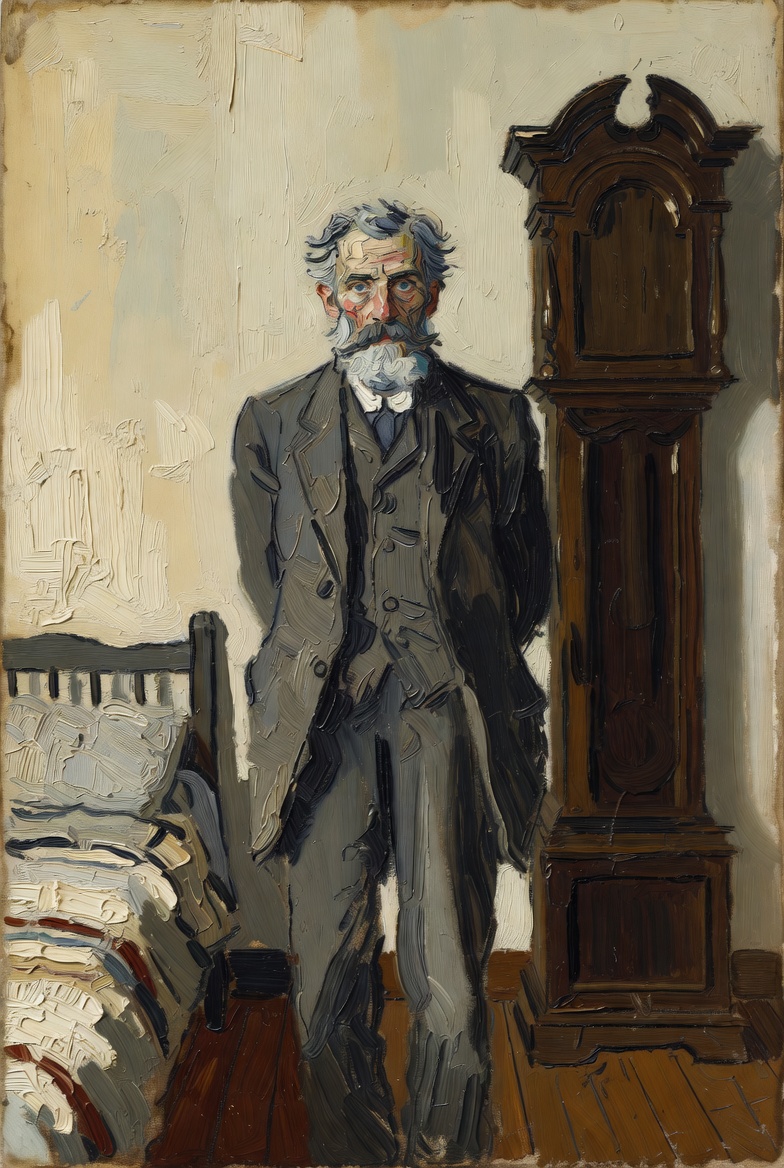
Self-Portrait between the Clock and the Bed.


1940–43. Munch's last great self-portrait, painted in his late seventies at his estate Ekely. He stands in his own room, framed by a clock without hands and an empty bed — both, in his own description, "markers of where I am now." He died in January 1944, eighty years old, having instructed his executor to leave everything to the city.

I felt an infinite scream passing through nature.

— Edvard Munch, diary entry, 22 January 1892

Visiting practically.

A few notes that make a real difference inside Room 60.

A

When to come

The first hour after opening is the calmest. Thursday late hours (until 9 PM) are also quiet from around 6 PM onwards. The peak is between 11 AM and 2 PM, particularly on cruise-ship days.

B

Photography

Photography is permitted without flash. Tripods, selfie sticks, and long-stem monopods are not. Move on after a minute — the room is shared.

C

A separate ticket?

No. The Munch Hall is part of the standard museum admission. There is no extra fee, no separate timed entry, no different queue.

D

Where to find it

Second floor, room 60. From the main entrance: take the central stair, turn right at the top, follow the signs through the nineteenth-century galleries. Roughly four minutes from the cloakroom.

A note

Two Munch museums in Oslo.


If you have time for both — they are a fifteen-minute walk apart along the harbour. Scandinavian Fjord's Munch Hall holds the canvases the State acquired during his lifetime: the public, exported Munch. The MUNCH museum at Bjørvika holds the 26,000 works he left to the city in his will: the studio Munch, the late paintings, the print blocks, the photographs. Different artists, in a sense — though the same hand.

Back to collections →   Hours and admission →